India has introduced iLive Connect, the world’s first doctor-led artificial intelligence healthcare ecosystem designed to provide round-the-clock monitoring for patients at home, particularly benefiting senior citizens and those with chronic illnesses.
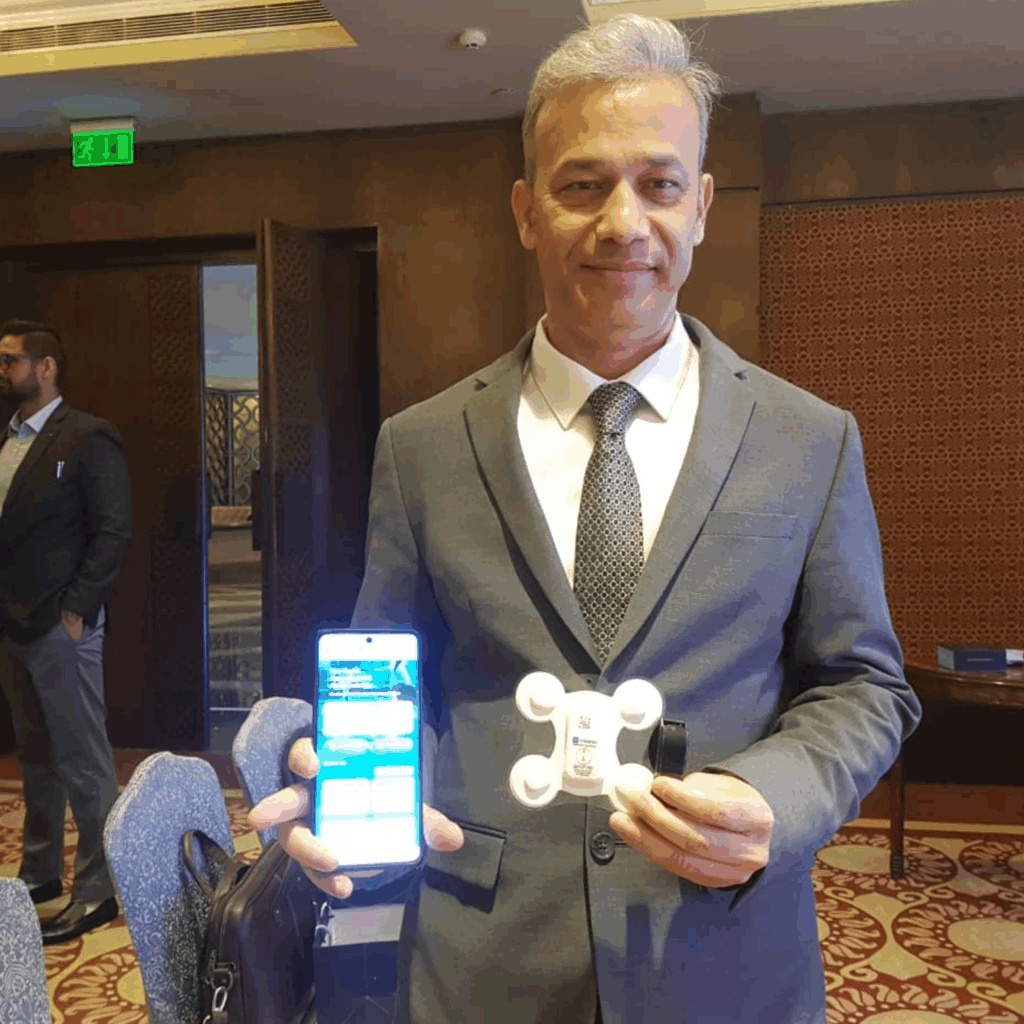
The system employs a wearable biosensor patch and wristband to continuously track vital signs, detecting subtle physiological changes that may indicate the onset of illness. Data is transmitted in real time to doctors at a dedicated medical command centre, who can intervene promptly and reduce hospitalisations.
At the first indication of a potentially harmful change, doctors notify the patient and their family within two minutes, providing clear guidance on immediate actions.
Dr Rahul Chandola, founder of iLive Connect and a cardiothoracic surgeon, explained that the devices enable predictive monitoring to detect illnesses early and significantly reduce hospital admissions.
The FDA- and CE-approved device, worn on the chest and wrist, continuously monitors health parameters and transmits data to the central command centre.
Senior interventional cardiologist and co-founder Dr Viveka Kumar described iLive Connect as the world’s first doctor-led AI healthcare ecosystem that effectively offers an ICU-like facility within the patient’s home.
Dr Kumar stated: “At the core of iLive Connect is a small wireless biosensor patch connected to a wearable wristband. Together, they continuously capture vital health parameters, including two-lead ECG, heart rate, respiratory rate, oxygen saturation (SpO₂), body temperature, blood pressure trends, physical activity and heart rate variability. The data is transmitted wirelessly to a secure cloud-based platform, which then delivers it to a dedicated medical command centre in real time.”
Regarding continuous patient surveillance, Dr Chandola said that highly specialised doctors monitor patients 24 hours a day in real time. “Unlike traditional monitoring systems that respond only after symptoms appear, this system uses AI-driven predictive analytics to detect subtle physiological changes that may indicate the onset of disease well before clinical symptoms develop.”
Dr Kumar explained that medical decisions are based on the ongoing flow of data received by the command centre. For example, the system can identify if a patient is consistently missing adequate sleep and calculate the exact hours missed on specific days. This detailed analysis assists in preventing medical emergencies and reduces repeated hospital admissions.
Dr Chandola added that iLive Connect is particularly effective for senior citizens, recently discharged hospital patients, and individuals with high health risks, enabling early detection of physical deterioration or changes in vital parameters.
A 10-week observational study involving 410 patients using iLive Connect reported a 76% reduction in hospital readmissions. The study highlighted early identification of complications associated with cardiac conditions, blood pressure instability, metabolic disorders, and post-discharge issues.
This technology has proved especially beneficial for senior citizens living alone, patients with chronic illnesses, and those in the critical recovery phase following hospital discharge.
